Official Team Ring Dinger® announcement regarding Advanced Chiropractic Equipment and Seminars ACES
Advanced Chiropractic Equipment LLC will only accept licensed D.C.s who invest in our entire program using our comprehensive medical history protocols, adhere to our procedures and Registered Federal Trademarks in their chiropractic practices. To ensure public safety. Licensed D.C.s must perform very comprehensive medical history taking and make safe accepted clinical decisions for patient safety and/or referral to other healthcare providers when necessary. They must.use our specialized chiropractic table The Ring Dinger® table made by Hill Laboratories in Pennsylvania, enroll in and pass our Advanced Chiropractic Seminar using our history and exam protocols, procedures, adjusting techniques so they can deliver Johnson BioPhysics®, the Johnson Y Axis Adjustment® aka the Ring Dinger® adjustment safely and effectively to the public.
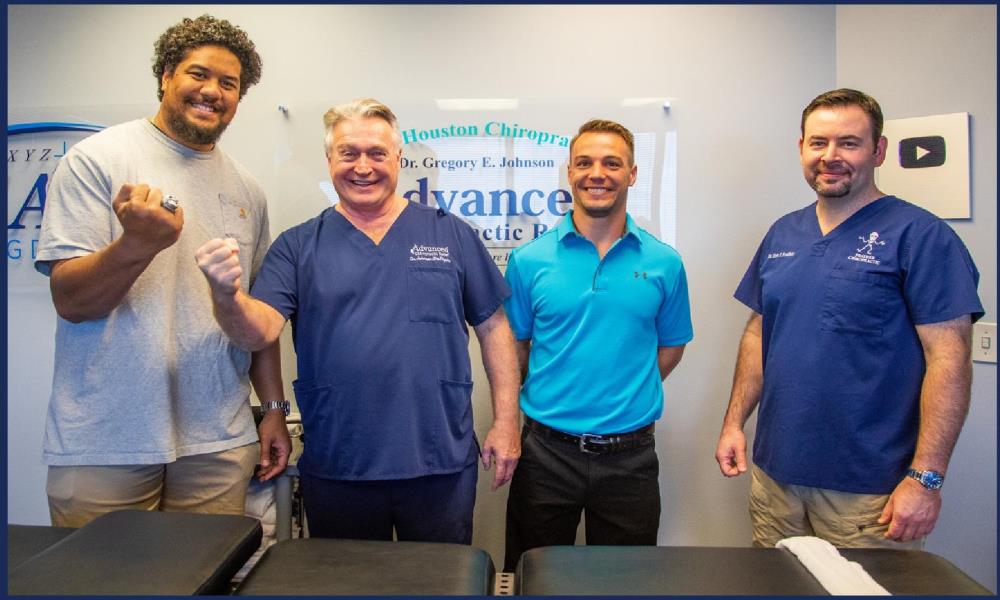
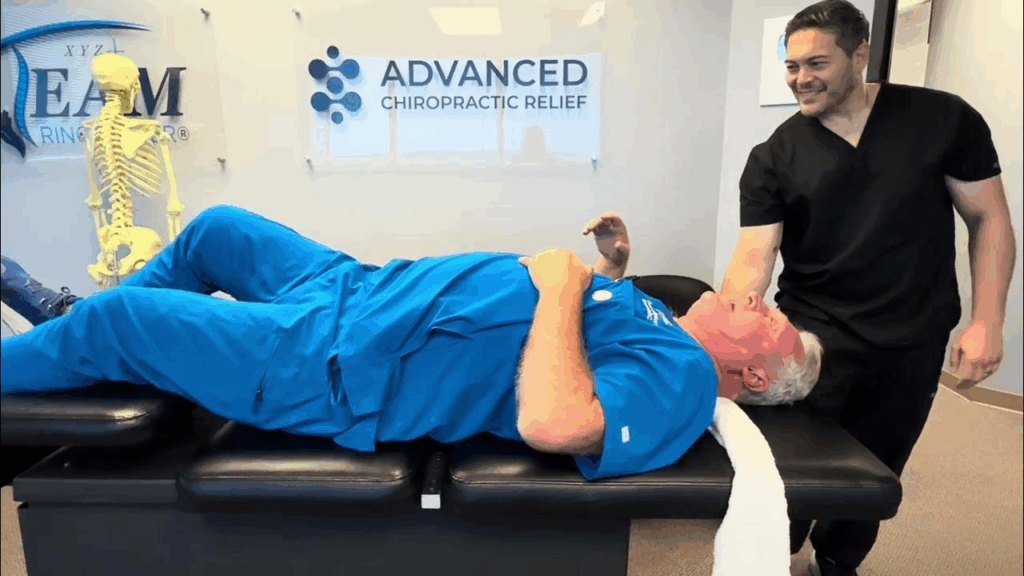
The Ring Dinger® Johnson Y Axis Adjustment® is a serious chiropractic adjustment and must be done the way Your Houston Chiropractor Dr. Gregory Johnson does it at Advanced Chiropractic Equipment in Houston Texas. Official Team Ring Dinger® trained and certified by Dr. Gregory Johnson at Advanced Chiropractic Equipment in Houston, Texas. ACES is building an elite Team of providers who comply with our procedures, protocols and chiropractic adjusting techniques as taught in our seminar to licensed D.C.s in the United States.
ACES now has worldwide trademark protection adding value to our foreign D.C.s who attend and pass our seminar, purchase our tables and use our trademarks in their digital marketing platforms. Our Official Team Ring Dinger® Chiropractors must be able to perform our adjusting techniques safely and effectively to the public. We teach all of these protocols and procedures in our three day Ring Dinger® seminar held every Monday, Tuesday and Wednesday from 8:30 AM CST to 4 PM.
Official Team Ring Dinger Practitioners must sign our contract spelling out the legal agreement to hold themselves out as trained and certified Team Ring Dinger Providers. This contract is on our website under legal. All Out of State US chiropractors must obtain a temporary Texas license from the Texas Board of Chiropractic Examiners TBCE so they can perform all of the Johnson BioPhysics® adjustments including the Johnson Y Axis Adjustment® aka the Ring Dinger® Y axis adjustment. Our seminar is by invitation only to qualified licensed chiropractors in the US. We only invite licensed D.C.s who purchase our full package of products and services to represent themselves as Official Team Ring Dinger Providers anywhere in the world. Dr. Gregory E Johnson has secured trademark protection around the globe to protect the investment that Official Team Ring Dinger Providers make when they sign up with us.
Advanced Chiropractic Equipment & Seminars welcomes all Licensed Chiropractors who want to provide our successful Chiropractic techniques, safely and effectively to the public using our protocols, procedures and business principles please fill out our seminar survey on our website here.